
Europe’s Fight Against Disinformation
All European Union member states have addressed European Commissioner for Home Affairs and Migration Magnus Brunner and Commissioner responsible for Democracy, Justice, Consumer Protection and the Fight against Disinformation Michael McGrath in Brussels, expressing support for new model provisions of EU criminal law.
The initiative aims to create clearer and more consistent criminal law rules across the European Union.
The proposed model provisions set common standards for different stages of criminal offences, forms of involvement in crimes, and penalties for both individuals and companies. They also outline how aggravating and mitigating circumstances should be assessed, define basic rules on jurisdiction and corporate criminal liability, set principles for calculating limitation periods, and establish standards for collecting statistical data.
Model Provisions as Guidance
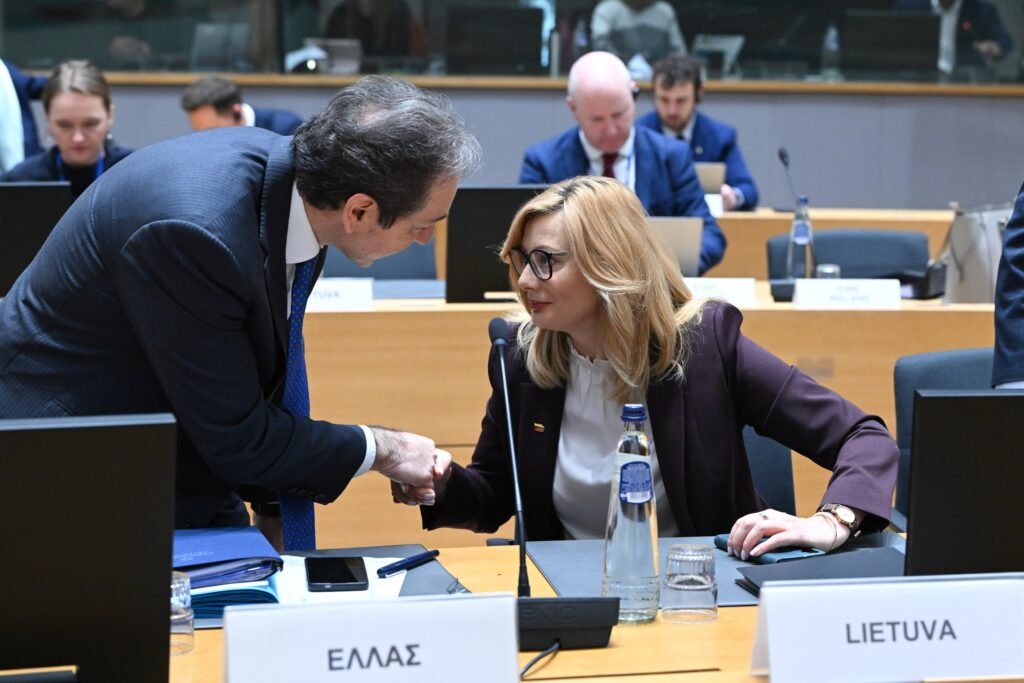
According to Minister of Justice Rita Tamašunienė, the model provisions will help ensure greater clarity and consistency in EU criminal law and make it easier for member states to implement new legislation.
Not Legally Binding
The document stresses that the model provisions will not be legally binding. Instead, they are meant to serve as a flexible set of guidelines. EU institutions and national lawmakers will be able to select the solutions best suited to each new law.
This approach is expected to provide a clearer overall structure, support future EU criminal law initiatives, and improve consistency between different legal acts.
Main Goal
The main goal of the model provisions is to agree on common wording across the EU. This should improve clarity, ensure more effective application of criminal law, and strengthen legal certainty for member states.
Lietuvosvalstybe.com
Sources: Ministry of Justice of the Republic of Lithuania
When citing or distributing information from lietuvosvalstybe.com, a reference to the source is required.